Sleep Physiology and Lipid Metabolism

Understanding how sleep cycles regulate energy homeostasis and metabolic function through hormonal and autonomic mechanisms.

Educational content only. No promises of outcomes.

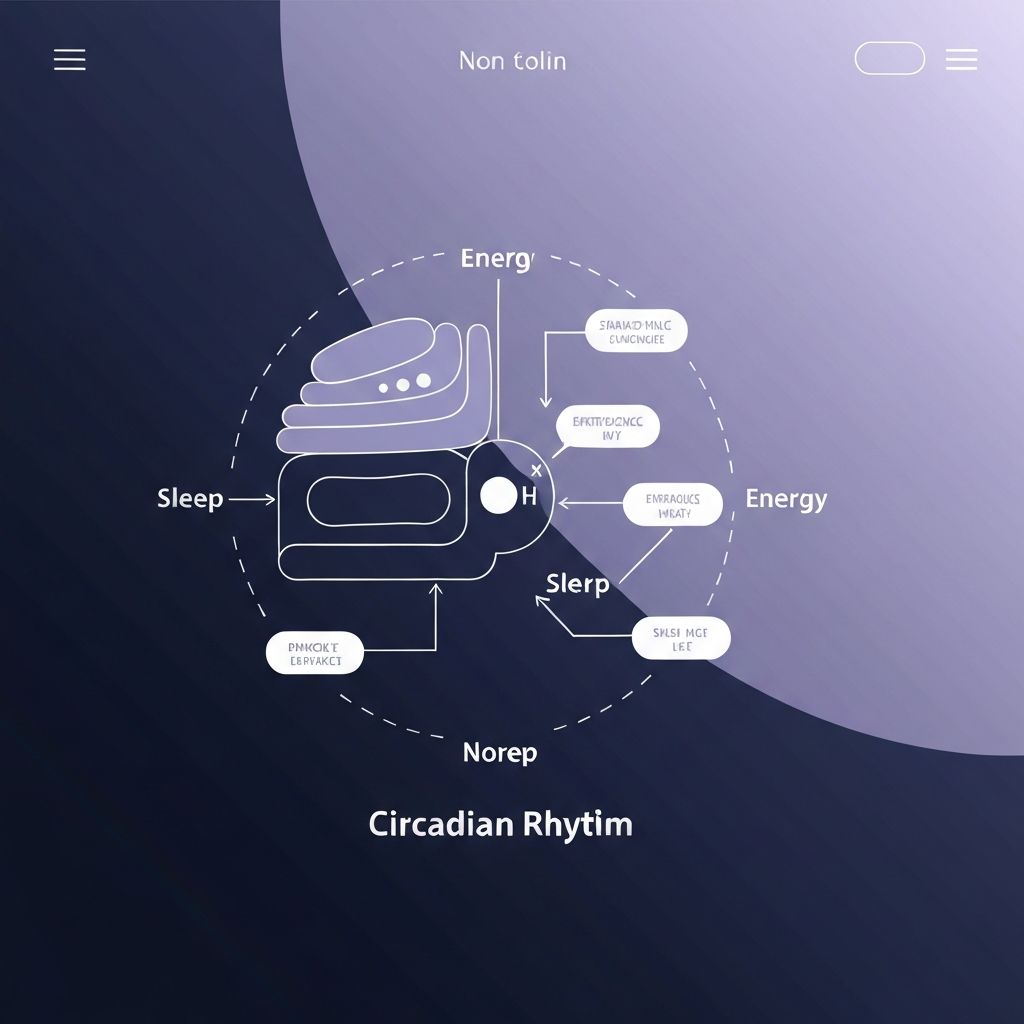
Sleep cycles and metabolic pathways visualization

Sleep Stages and Energy Metabolism

Different sleep stages have distinct physiological characteristics that directly influence energy expenditure and substrate utilization. Non-rapid eye movement (NREM) sleep, which comprises approximately 75-80% of total sleep time, includes three progressive stages characterized by increasing sleep depth and delta wave activity. During NREM sleep, the body exhibits reduced metabolic rate, decreased sympathetic nervous system activity, and enhanced parasympathetic tone, promoting tissue repair and metabolic recovery.

Rapid eye movement (REM) sleep, accounting for 20-25% of sleep architecture in adults, presents a distinct metabolic profile. During REM sleep, brain glucose consumption increases substantially, motor tone is inhibited, and body temperature regulation becomes impaired. The interplay between these stages determines overall energy metabolism and substrate preference throughout the sleep-wake cycle.
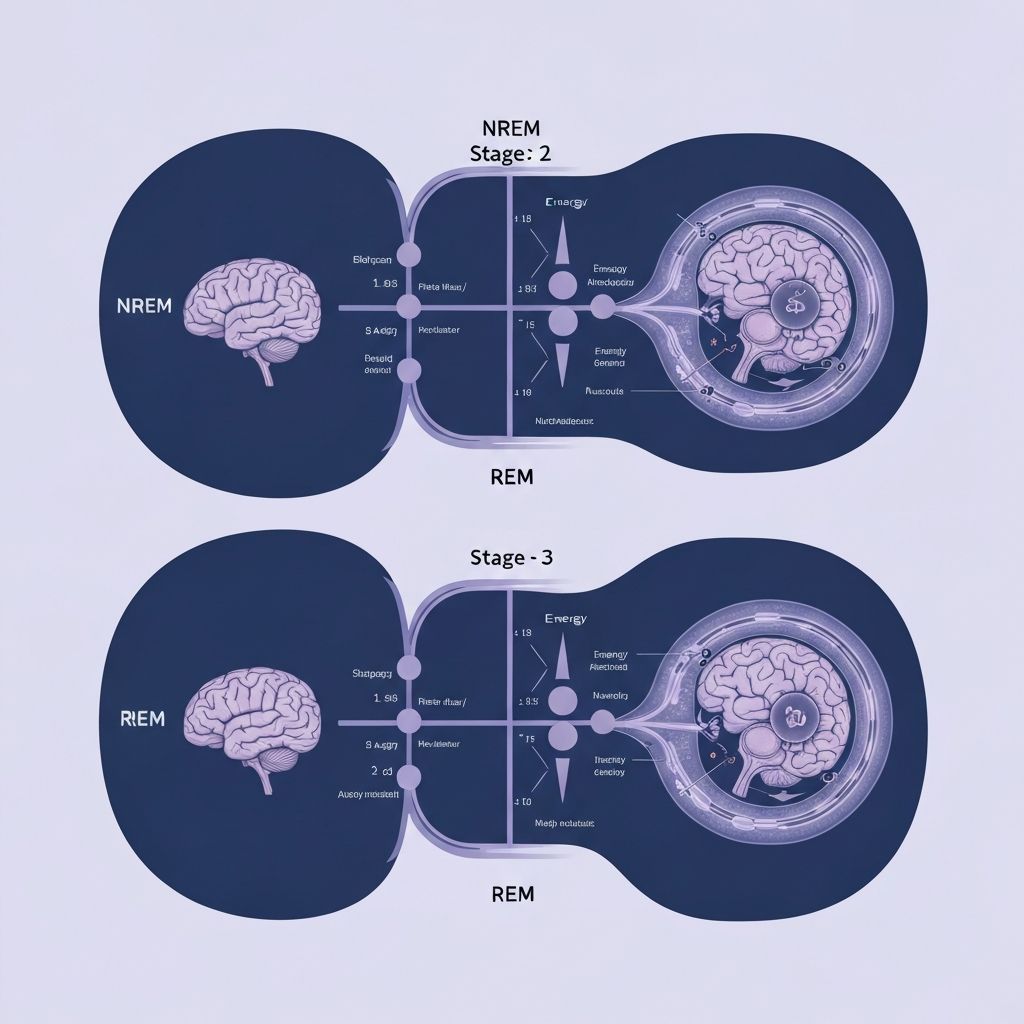
Visualization of sleep stages and energy metabolism

Hormonal Regulation During Sleep

Sleep exerts profound effects on hormonal secretion patterns that regulate energy metabolism. Leptin, the satiety hormone produced by adipose tissue, demonstrates elevated concentrations during sleep and exhibits a circadian rhythm with peaks occurring during sleep periods. Conversely, ghrelin, the appetite-stimulating hormone secreted by gastric cells, shows lower levels during sleep and rises during wakefulness, creating a complementary regulatory pattern.

Cortisol, the primary glucocorticoid hormone, follows a pronounced circadian rhythm with nadir levels during early sleep and peak concentrations in early morning hours. Insulin secretion and sensitivity also demonstrate circadian variation, with increased insulin sensitivity during sleep phases and potential impairment when sleep-wake cycles are disrupted. These hormonal oscillations coordinate to maintain energy homeostasis and glucose regulation across the 24-hour cycle.

Hormone During Sleep Metabolic Role
Leptin Elevated Signals satiety and energy sufficiency
Ghrelin Suppressed Appetite stimulation reduced
Cortisol Low (early sleep) Reduces glucose utilization, spares energy
Insulin Moderate levels Glucose disposal and lipid storage
Growth Hormone Peak during deep sleep Anabolic effects, tissue repair

Sleep Duration and Substrate Oxidation

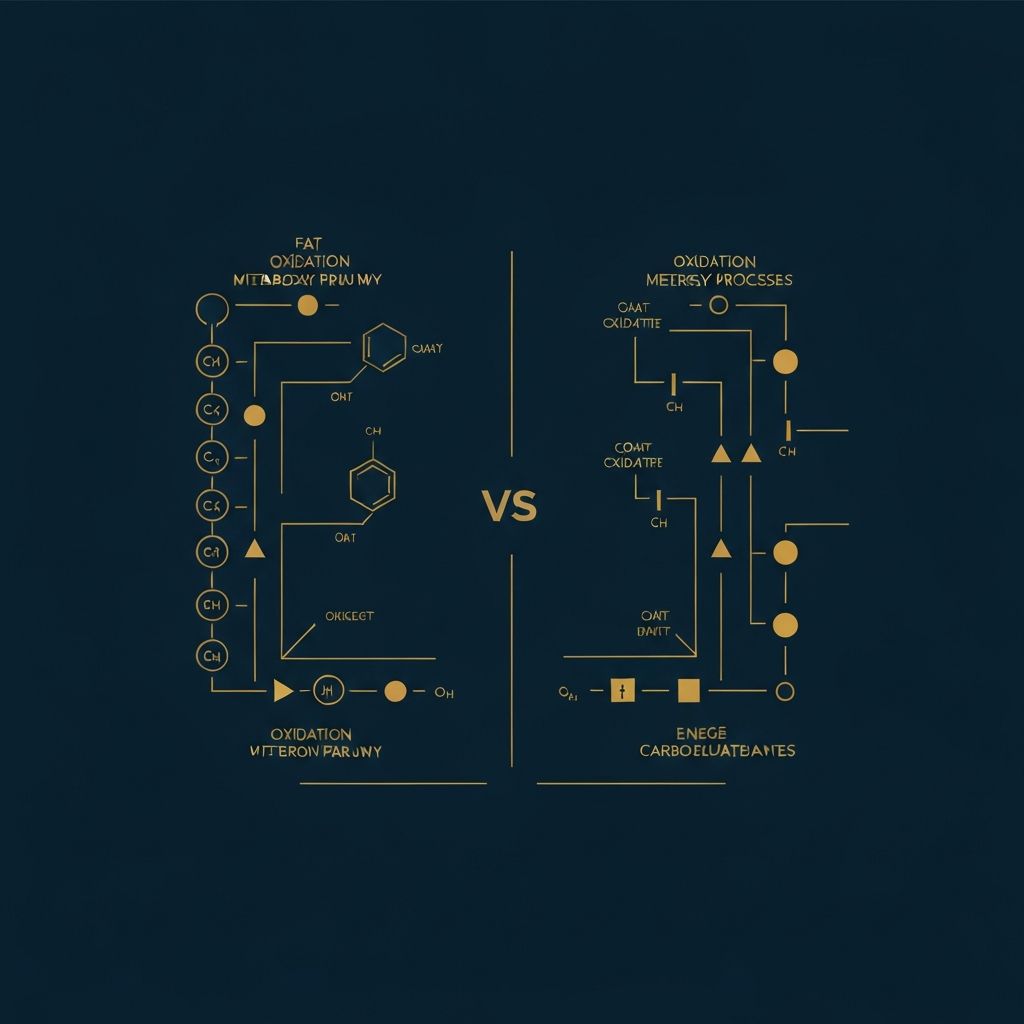
Experimental and observational evidence demonstrates that sleep duration influences the proportion of fat versus carbohydrate oxidation. During adequate sleep, the body exhibits increased capacity for lipid oxidation, with fat contributing a greater percentage to total energy expenditure. This preferential fat oxidation during sleep is facilitated by reduced insulin levels, elevated free fatty acid availability, and reduced carbohydrate utilization.

Conversely, chronic sleep restriction or acute sleep deprivation shifts substrate preference toward greater carbohydrate dependence, reducing the contribution of lipid oxidation to total energy expenditure. This metabolic shift reflects altered hormone concentrations, including increased evening cortisol, elevated glucose-stimulated insulin secretion, and reduced insulin sensitivity. The magnitude of this shift relates to both the degree of sleep restriction and the duration of the restriction period.

Diagram of fat and carbohydrate oxidation pathways

Insulin Sensitivity and Glucose Disposal

Insulin sensitivity demonstrates a pronounced circadian rhythm, with peak sensitivity typically occurring during sleep phases and trough sensitivity during nighttime wakefulness and early morning hours. Sleep restriction and fragmentation impair multiple aspects of glucose metabolism: reduced insulin-stimulated glucose uptake in peripheral tissues, increased hepatic glucose production, and elevated fasting glucose concentrations.

Meta-analytic evidence indicates that individuals with chronic sleep restriction exhibit increased risk for impaired glucose tolerance and type 2 diabetes development. The mechanisms underlying these associations include reduced pancreatic beta cell function, altered incretin hormone secretion, and increased systemic inflammation. These metabolic disturbances reflect the integrated physiological consequence of disrupted sleep-wake cycles on glucose-insulin homeostasis.

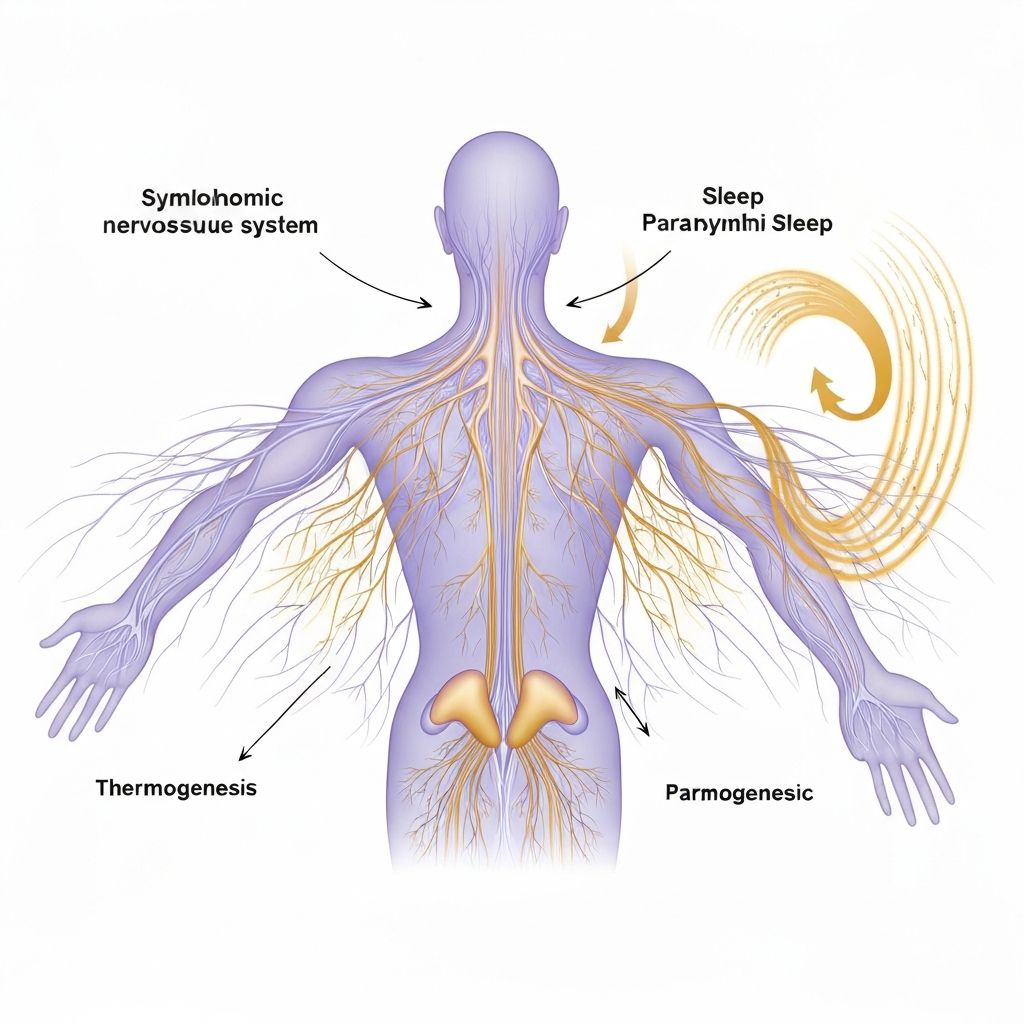
Sympathetic Activity and Thermogenesis

Sleep and wakefulness are associated with distinct patterns of sympathetic and parasympathetic nervous system activity. During sleep, particularly NREM stages, sympathetic activity is substantially reduced while parasympathetic tone is elevated. This autonomic shift decreases heart rate, reduces blood pressure, and lowers metabolic rate—collectively termed the "rest-and-digest" state.

Sleep restriction and fragmentation sustain elevated sympathetic tone during sleep periods, preventing adequate parasympathetic dominance. Elevated sympathetic activity during sleep is associated with increased norepinephrine concentrations, which enhance fat mobilization and thermogenesis but simultaneously increase cardiovascular strain. The dysregulation of autonomic balance contributes to altered substrate oxidation patterns and increased sympathetic-mediated thermogenesis in sleep-restricted individuals.

Autonomic nervous system balance during sleep stages

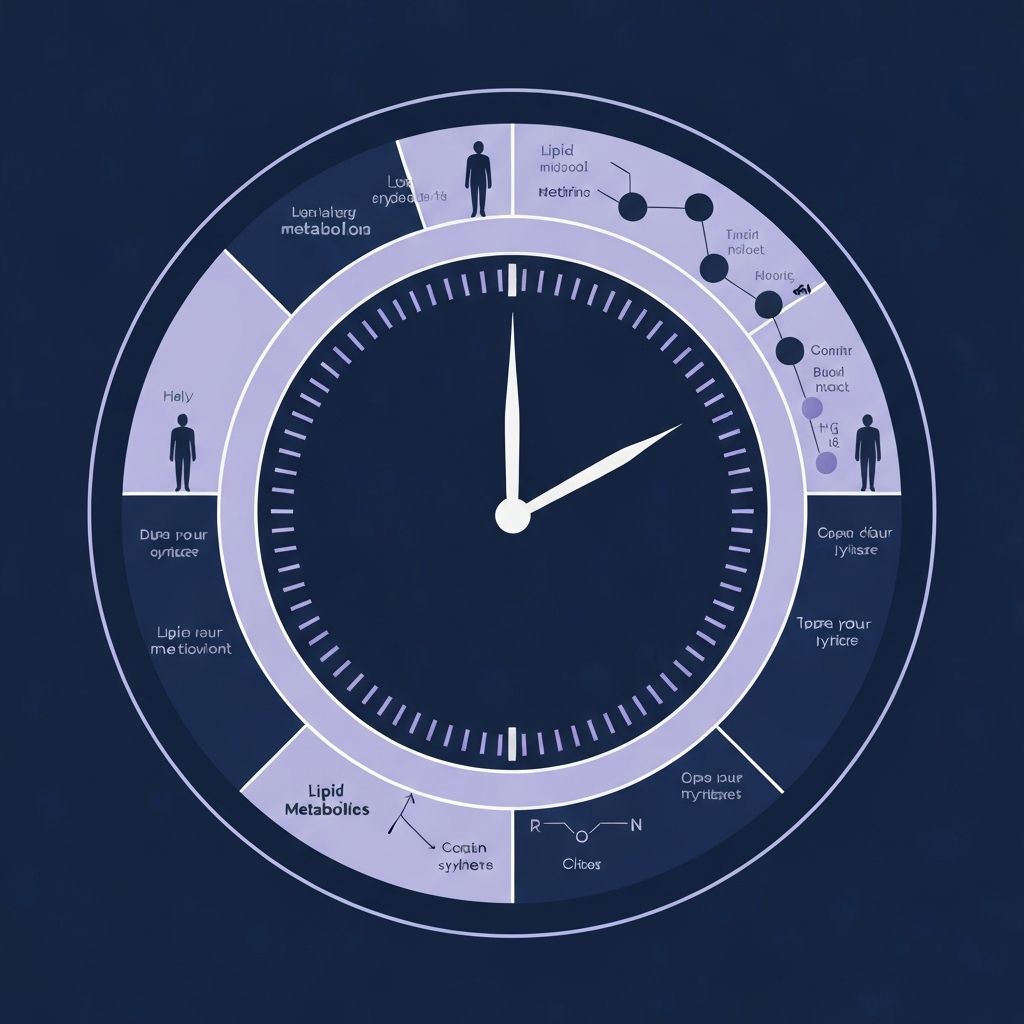
Circadian Misalignment and Lipid Metabolism

Clock genes, particularly BMAL1, CLOCK, PER1-3, and CRY1-2, regulate the expression of genes controlling lipid metabolism in adipose tissue and liver. When circadian rhythms are disrupted—through shift work, transmeridian travel, or irregular sleep schedules—this genetic regulation becomes dysynchronized, resulting in altered lipid accumulation patterns. Circadian misalignment promotes visceral adipose tissue expansion and increased triglyceride storage in hepatic and adipose compartments.

Studies examining shift workers and individuals with chronic circadian disruption demonstrate elevated markers of dyslipidemia and increased visceral adiposity compared to age-matched controls with regular sleep-wake cycles. The mechanisms include altered PPARγ and lipoprotein lipase expression, impaired adiponectin secretion, and increased inflammatory cytokine production. These observations suggest that maintenance of circadian alignment is essential for normal lipid metabolism regulation.

Circadian rhythm influence on lipid metabolism

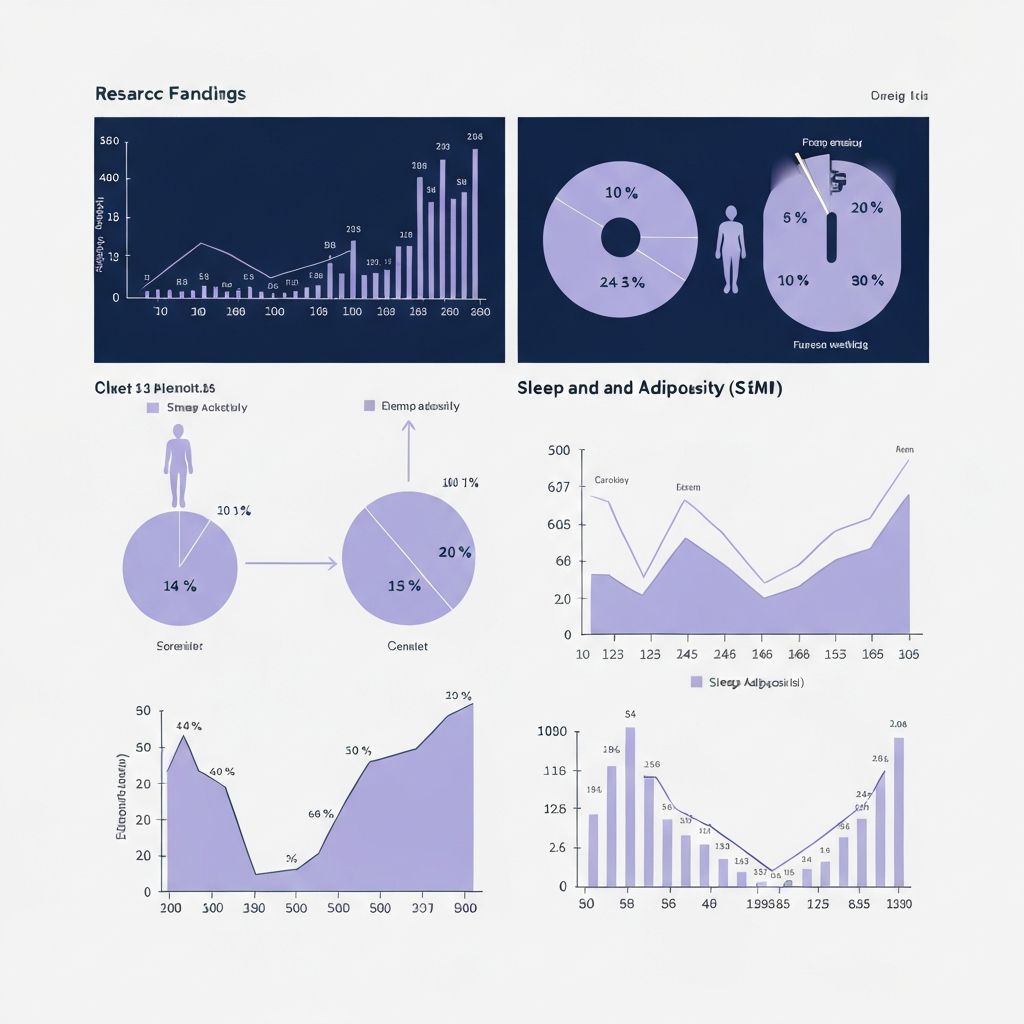
Research Findings on Sleep and Adiposity

Large prospective cohort studies including the Framingham Heart Study, Nurses' Health Study, and Health Professionals Follow-up Study have documented associations between sleep duration categories and measures of adiposity. Individuals reporting habitual sleep duration of less than 6 hours or greater than 9 hours demonstrate elevated body mass index and increased central adiposity compared to those reporting 7-8 hours of sleep.

Experimental studies employing controlled sleep restriction protocols demonstrate that 4-5 nights of acute sleep deprivation (4-5 hours per night) results in increased daily energy intake, with preferential selection of energy-dense foods, alongside changes in insulin secretion and reduced leptin concentrations. These findings collectively indicate that sleep duration and quality influence energy balance regulation through multiple physiological pathways involving hormonal, autonomic, and behavioral mechanisms.

Research data visualization on sleep and adiposity

Detailed Sleep-Metabolism Research Overview

Comprehensive exploration of the scientific evidence linking sleep physiology to metabolic outcomes is available through our detailed blog articles. Each article examines specific mechanisms and research findings in depth.

Sleep Stages and Their Role in Substrate Metabolism

Phase-specific metabolic effects and energy utilization patterns.

Read the detailed physiological explanation

Hormonal Oscillations Across the Sleep-Wake Cycle

Endocrine patterns and circadian regulation of metabolic hormones.

Learn more about the evidence

Sleep Restriction and Changes in Fat Oxidation Preference

Substrate selection data from experimental sleep deprivation studies.

Explore sleep and lipid metabolism research

Insulin Sensitivity Impairment from Reduced Sleep

Glucose handling research and metabolic dysfunction mechanisms.

Continue to related energy regulation topics

Circadian Rhythm Disruption and Lipid Accumulation

Clock disruption studies and visceral fat storage patterns.

Read the detailed physiological explanation

Longitudinal Associations Between Sleep Duration and Adiposity

Observational evidence from large cohort studies.

Learn more about the evidence

Frequently Asked Questions

Does sleep duration directly cause changes in fat mass?

Sleep duration demonstrates robust associations with adiposity measures in population studies, but establishing direct causation requires experimental evidence. Controlled sleep restriction studies show changes in energy intake, hormone concentrations, and substrate oxidation that would theoretically promote weight gain, but individual responses vary substantially based on genetic factors, baseline metabolic rate, and habitual physical activity levels.

How do circadian rhythms influence metabolic rate throughout the day?

Resting energy expenditure exhibits a pronounced circadian rhythm, typically lowest during sleep and early morning hours and highest during afternoon and early evening. This variation reflects the combined effects of changing sympathetic tone, body temperature cycles, and hormonal secretion patterns. The magnitude of circadian variation in metabolic rate typically ranges from 10-25% between peak and nadir values.

What is the relationship between sleep and visceral adiposity?

Visceral adipose tissue accumulation shows particularly strong associations with sleep disruption and circadian misalignment. This selective accumulation reflects altered clock gene expression in visceral adipocytes, increased inflammatory cytokine production, and elevated cortisol exposure. The preferential visceral fat deposition in sleep-restricted individuals may relate to this adipose tissue depot's heightened metabolic sensitivity to circadian disruption.

How does REM sleep contribute to metabolic regulation?

REM sleep accounts for approximately 20-25% of total sleep time and demonstrates unique metabolic characteristics including elevated brain glucose utilization, reduced muscle tone, and impaired thermoregulation. The cognitive and neuroplastic processes occurring during REM sleep influence multiple physiological systems, including autonomic regulation and hormonal secretion patterns that extend into subsequent wakefulness.

What evidence exists for associations between sleep quality and lipid profiles?

Cross-sectional and prospective studies demonstrate associations between subjective sleep quality measures and plasma lipid concentrations, including triglycerides, total cholesterol, and LDL-cholesterol. Sleep fragmentation and reduced sleep efficiency show stronger associations with dyslipidemia than sleep duration alone, suggesting that sleep consolidation and quality may be particularly important for lipid metabolism regulation.

Explore Energy Homeostasis Studies

Discover the comprehensive research examining how sleep physiology influences metabolic outcomes and energy regulation. Our detailed articles provide evidence-based explanations of the physiological mechanisms connecting sleep to human metabolism.

Continue to sleep-metabolism research overview